

Jasa Pria · Supplement Reviews

Transparent Supplement Reviews and Comparisons

Finding a supplement that delivers on its promises can feel daunting. The market is filled with bold claims and confusing ingredient lists that obscure real value. Our reviews cut through the noise with objective analysis of natural health products available across Indonesia — focused on ingredient transparency, manufacturing standards, and nutritional profile.

How We Evaluate

Our Review Criteria

We evaluate supplements based on five main pillars: ingredient purity, dosage accuracy, brand reputation, third-party testing, and value for money. A product must excel in all these categories to receive a high recommendation from Jasa Pria.

We do not accept sponsorships from brands to influence our ratings, ensuring that our advice remains unbiased. This rigorous process helps you make informed decisions without the fear of hidden agendas.

Each pillar is scored independently before we form an overall assessment. A product that shines on label transparency but falls short on independent verification does not earn a blanket endorsement — we tell you exactly where it excels and where it falls short.

The Five Pillars

  1. I

    Ingredient Purity

    No synthetic flow agents masking the active compounds on the label.

  2. II

    Dosage Accuracy

    Amounts that match what nutritional science considers effective.

  3. III

    Brand Reputation

    A history of honest labeling and responsive customer service.

  4. IV

    Third-Party Testing

    Independent lab verification of potency and contaminant screening.

  5. V

    Value for Money

    Cost per serving of the active ingredient, not retail price alone.

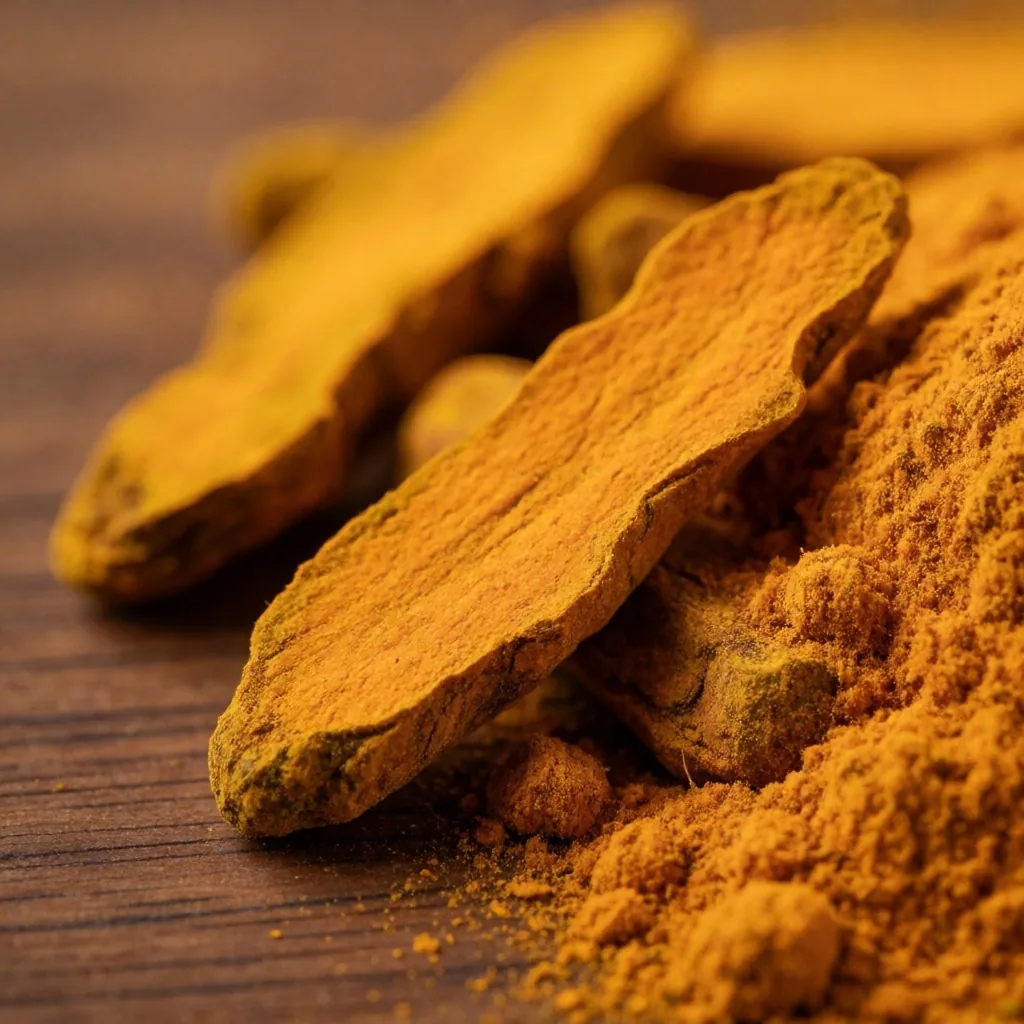
Close-up of dried turmeric root and powder on dark wood

Active Compound Analysis

Herbal Extract Potency

One of the most common issues in the supplement industry is "fairy dusting," where a brand includes a tiny, ineffective amount of an ingredient just to list it on the label. A turmeric capsule might boast about curcuminoids on the front, but the back panel reveals only 50 mg of a low-percentage extract.

Our reviews look specifically at the concentration of active compounds — such as curcuminoids in turmeric or ginsenosides in ginseng. If a product does not meet the minimum effective dose supported by nutritional science, we point it out clearly and explain what threshold it falls below.

What we look for on the label

Standardized extract percentages, declared active compound mass per serving, and whether the form used has documented bioavailability. We prefer brands that print both — not just "turmeric extract 500 mg" but "turmeric extract 500 mg (95% curcuminoids)."

Excipients & Formulation

Additives and Fillers

01 · Common

Magnesium Stearate

A flow agent used in manufacturing to keep powder from sticking to machine parts. Generally recognized as safe, but it adds no nutritional value and may slow capsule dissolution in some individuals. We flag it when it appears high on the ingredient list.

02 · Common

Silicon Dioxide

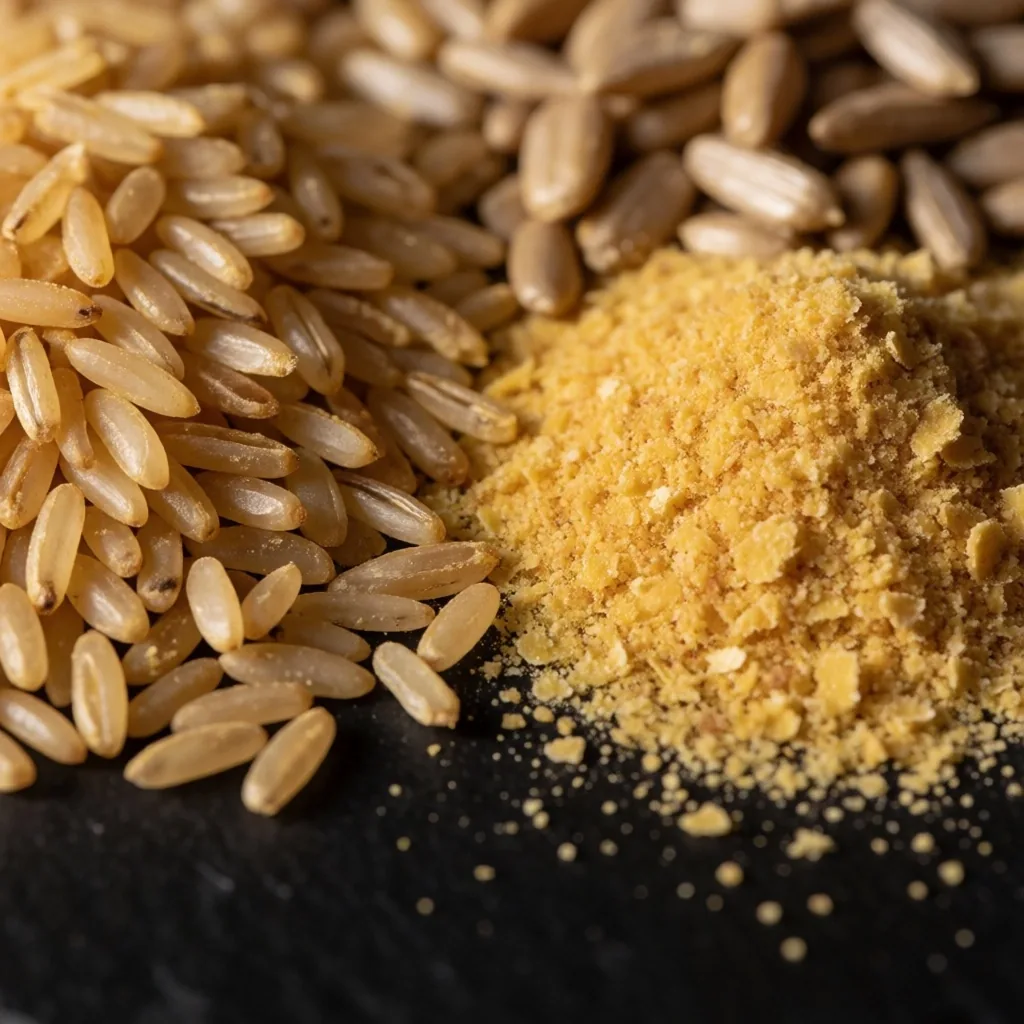
An anti-caking additive found in many powders and capsules. While not harmful at typical levels, some consumers prefer to avoid it. Brands that skip it entirely — using rice concentrate or nothing at all — earn higher marks in our clean-label assessment.

03 · Flag

Artificial Colors

There is no nutritional reason to add synthetic dyes to a wellness supplement. When we encounter colors listed in a formula, we treat it as a signal that the brand prioritizes appearance over purity. Natural alternatives exist and we note brands that use them.

Many capsules and powders contain unnecessary additives. While they are often considered safe, they add no nutritional value and can sometimes interfere with absorption. We prioritize "clean label" products that use minimal, natural excipients — and our reviews highlight which brands go the extra mile to keep their formulas as pure as possible.

Verification & Trust

The Importance of Third-Party Testing

A label is only as good as the testing that backs it up. We look for brands that utilize independent laboratories to verify the potency and purity of their batches. This testing ensures that the product is free from heavy metals, pesticides, and other environmental contaminants.

We provide links or references to these certifications whenever they are made available by the manufacturer. Brands that refuse to share their lab results — or that test only their raw materials rather than the finished product — receive a lower transparency score, regardless of how polished their marketing reads.

What a proper certificate of analysis should include

  • Identity test confirming the labeled ingredient is what is in the container
  • Potency assay verifying the active compound mass per serving
  • Microbial panel covering yeast, mold, and bacterial contamination
  • Heavy metal screen for lead, arsenic, cadmium, and mercury

Geographic Context

Local vs. International Brands

In Indonesia, we have access to both local Jamu-based innovations and global nutritional brands. Our reviews compare these options to see which provides the best results for the local consumer. We consider factors like price, availability in Yogyakarta and surrounding regions, and how well the formulations suit the local climate and diet. This helps you decide whether to support local industry or opt for imported specialties.

Option A

Local · Jamu Heritage

  • Formulation approach

    Whole-plant and traditional extract blends passed down through generations of Indonesian herbal practice.

  • Typical strengths

    Often uses ingredients suited to the tropical climate — ginger, galangal, turmeric — and is widely available in Yogyakarta apotek and markets.

  • What to watch for

    Standardization can vary between batches. Look for producers who have moved from raw powder to standardized extracts with declared active compound levels.

Option B

International · Standardized

  • Formulation approach

    Patented extracts with published standardization percentages and documented bioavailability research behind each compound.

  • Typical strengths

    Consistent batch-to-batch potency and wider availability of certificates of analysis from accredited laboratories.

  • What to watch for

    Import pricing and shelf time. Some formulas are designed for Western diets and may not align with a rice-and-vegetable baseline.

Our stance Neither origin is automatically better. A well-standardized local extract can match a global brand, and an imported formula can still fail our additive check. We judge each product on its own label and lab data.

Format & Absorption

Delivery Formats: Capsules vs. Powders

Vegetable Cellulose Capsules

Most common · travel-friendly

Precise pre-measured servings and long shelf stability. The cellulose shell dissolves in the stomach within minutes for most people. Drawback: limited to what fits inside a standard capsule — typically 500 to 750 mg — which means bulky powders like maca root often require multiple capsules per serving. We note when a brand uses pullulan or HPMC shells over cheaper gelatin.

Concentrated Liquid Extracts

Fastest uptake · flexible dosing

Bypasses capsule dissolution, so the body can begin absorbing the active compounds sooner. Useful for people who struggle with swallowing or who want adjustable serving sizes. The trade-off is taste — many herbal extracts are bitter — and a shorter shelf life once opened. We assess the carrier liquid (glycerin versus alcohol) in every liquid product we review.

Raw Powders

Highest density · cost-effective

Offers the highest dose per serving without capsule-size limits, and often the lowest cost per gram of active ingredient. Requires a measured scoop and mixing into water, juice, or food. Some compounds — like fat-soluble curcumin — absorb poorly in plain water without a lipid carrier. We flag whether the brand includes a bioavailability enhancer or recommends one.

Each format has its pros and cons depending on the specific nutrient and the user's digestive health. Our comparisons help you choose the format that fits your daily routine most comfortably.

Cost per Active Gram

Value Analysis for Long-term Use

High price does not always mean high quality, and some budget options are surprisingly effective. We calculate the cost per serving of the active ingredients to give you a true sense of a product's value.

This allows you to plan your wellness budget effectively without sacrificing the quality of your nutritional support. We believe that good health should be accessible and sustainable.

How we break down a price tag

  1. 01

    Identify the active compound

    We isolate the ingredient that does the work — for example, the curcuminoid fraction in a turmeric product, not the total turmeric powder mass.

  2. 02

    Calculate active mass per container

    Serving size times number of servings times the standardization percentage gives the total active compound in the bottle.

  3. 03

    Divide retail price by active mass

    This yields cost per gram of the actual active ingredient — the only number that lets you compare a 60-capsule product against a raw powder honestly.

  4. 04

    Factor in bioavailability

    A cheaper extract with poor absorption can cost more per useful unit than a pricier standardized extract with a proven delivery system. We adjust for this.

Beyond the Label

User Feedback and Real-world Application

While laboratory data is essential, how a supplement performs in real life is equally important. We aggregate feedback from long-term users regarding digestibility, taste, and general physical feelings after use.

This section of our review process provides a practical perspective that data alone cannot capture. It helps you anticipate how a product might fit into your own lifestyle — whether the powder mixes cleanly into a morning drink, whether a capsule repeats on an empty stomach, or whether a liquid extract's taste is manageable day after day.

01

Digestibility

Reports on stomach comfort across empty-stomach and with-food use.

02

Taste & Mixability

Whether powders dissolve cleanly or leave residue and bitterness.

03

Daily Routine Fit

How the serving size and format hold up over weeks of consistent use.

Recently Evaluated

Latest Reviews

A sample of products we have recently assessed against our five-pillar criteria. Each entry links to the full breakdown once published.

Turmeric · Curcuminoids

Java Highland Turmeric Blend

Local single-origin turmeric standardized to 95% curcuminoids. Contains black pepper extract for absorption. Clean label with no artificial fillers.

Format

Vegetable capsule · 60 count

Origin

Local · Yogyakarta region

Adaptogen · Ginsenosides

Red Ginseng Standardized Extract

Korean red ginseng root extract standardized to 7% ginsenosides. Powder format with included scoop. Third-party tested for heavy metals.

Format

Raw powder · 100 g

Origin

International · imported

Root · Macamides

Andean Maca Root Concentrate

Gelatinized maca powder from high-altitude Peruvian cultivation. Pre-cooked for digestibility. No fillers. Note: macamide standardization not declared on label.

Format

Raw powder · 250 g

Origin

International · imported

Botanical · Gingerols

Jamu Ginger & Galangal Tonic

Traditional Indonesian blend of ginger and galangal in a glycerin-based liquid carrier. Declared gingerol content. Pleasant taste but shorter shelf life after opening.

Format

Liquid extract · 100 ml

Origin

Local · Central Java

Questions We Hear Often

Frequently Asked Questions

Do you accept payment from brands to feature their supplements?

No. We do not accept sponsorships from brands to influence our ratings. Our reviews are based on the five-pillar criteria applied the same way to every product, regardless of whether the brand contacts us or not.

How do you verify the ingredient amounts on a label?

We look for brands that share certificates of analysis from independent laboratories. When a brand publishes these results, we compare the declared amount to the tested amount. When they do not, we note the absence of verification and the product receives a lower transparency score.

Can I buy the supplements you review directly through Jasa Pria?

Jasa Pria is an educational resource, not a retailer. We provide analysis and comparison to help you make informed choices. Where a product is widely available in Yogyakarta and surrounding regions, we mention that context in the review.

What does "standardized extract" actually mean?

A standardized extract is processed to contain a guaranteed percentage of a specific active compound. For example, turmeric extract standardized to 95% curcuminoids means each gram contains 950 mg of curcuminoids. This is different from raw ground turmeric, where the curcuminoid content varies and is typically around 3%.

Have a product you want us to review?

Suggest a supplement for analysis

If you have come across a natural supplement sold in Indonesia and want our independent breakdown of its label, formulation, and value, reach out. We prioritize products that are widely available or that make notable formulation claims worth verifying.

Contact Our Team